
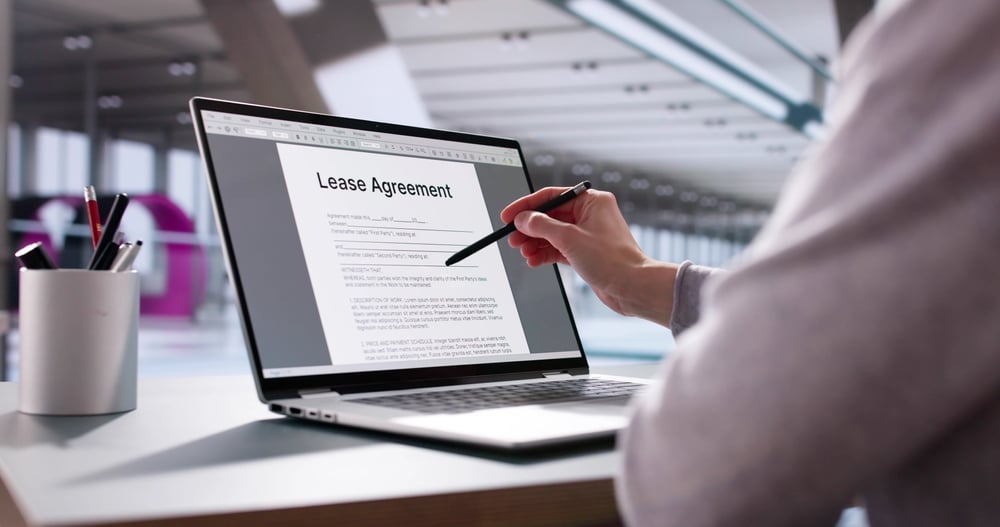
Many businesses assume copier leasing is simply “renting a machine,” but the structure behind a copier lease agreement is more detailed than it first appears. Between service coverage, contract terms, usage limits, and end-of-lease options, it can be difficult to understand exactly what you’re agreeing to. A copier lease agreement defines how a business can use office printing equipment over a set period, including what is included, what is not, and what happens when the contract ends.
Without a clear understanding of these terms, businesses risk unexpected costs or limitations that impact daily operations. This guide breaks down what a copier lease agreement actually is, what it includes, and how it works so you can evaluate lease options with confidence.
Key Takeaways
- A copier lease agreement defines the terms for using office equipment over a fixed period
- Most agreements include equipment, monthly payments, and service terms
- Maintenance and support may be included depending on the lease structure
- Lease contracts typically outline usage limits and end-of-term options
- Understanding lease terms helps businesses avoid unexpected costs and restrictions
What Is a Copier Lease Agreement?
A copier lease agreement is a contract between a business and a copier leasing provider that allows the business to use a copier or multifunction printer for a specified period in exchange for monthly payments. The leasing company retains ownership of the equipment, while the business gains access to its functionality without purchasing it outright. These agreements typically define:
- Equipment specifications and model
- Monthly payment structure
- Length of the lease term
- Included services and responsibilities
- End-of-lease options such as renewal, return, or purchase
In simple terms, it is a structured usage agreement that separates equipment access from ownership. This means the business is paying for the right to use the copier rather than purchasing the asset itself, which helps keep upfront costs low. It also creates a clear framework for how the equipment is used, maintained, and eventually returned, upgraded, or purchased at the end of the lease term.

What Is Included in a Copier Lease Agreement?
Copier lease agreements usually include several core components that determine overall cost, service coverage, and each party’s responsibilities throughout the lease term. While the exact structure can vary depending on the provider and equipment selected, most agreements are designed to clearly outline what the business receives and what is expected in return. These components work together to define how the copier is used, maintained, and supported during the life of the contract.
| Lease Component | What It Includes |
| Equipment | Copier or multifunction printer model and configuration |
| Lease Term | Contract duration (commonly 12–60 months) |
| Monthly Payment | Fixed cost for equipment usage |
| Service & Maintenance | Repairs, preventive maintenance, and technical support (varies by contract) |
| Supplies | May include toner and consumables depending on agreement type |
| Usage Terms | Monthly print allowances or volume expectations |
| End-of-Lease Options | Return, renew, upgrade, or purchase equipment |
Not all copier lease agreements include the same services or coverage levels, which is why it is important to review the details carefully before signing. Some agreements bundle maintenance, supplies, and support into a single monthly payment, while others separate these costs or limit what is included. Understanding exactly what is covered helps businesses avoid unexpected expenses and ensures the lease aligns with both operational needs and long-term budget expectations.
How Copier Lease Agreements Work
Copier lease agreements follow a structured lifecycle that takes a business from initial equipment selection through installation, ongoing use, and ultimately an end-of-term decision. Each step in the process is designed to establish clarity around responsibilities, costs, and service expectations so the business can operate efficiently throughout the lease period. Understanding this workflow helps organizations know what to expect before, during, and after signing a lease agreement.
- Business selects copier based on workflow needs
- Lease terms and pricing are established
- Equipment is installed and configured
- Monthly payments begin for the agreed term
- Service and support are provided during the lease
- Business chooses end-of-lease option (renew, return, upgrade, or buyout)
This structure allows businesses to maintain predictable monthly costs while gaining access to modern office equipment without the burden of ownership. It also provides stability throughout the lease term by ensuring service, support, and equipment performance are managed under a defined agreement. At the same time, businesses retain flexibility at the end of the contract to decide whether to renew, upgrade, return, or purchase the equipment based on their evolving needs.

Common Types of Copier Lease Agreements
Different copier lease structures are designed to meet different business goals, especially when it comes to monthly cost, ownership preferences, and long-term flexibility. Some businesses prioritize the lowest possible monthly payment, while others prefer a path toward ownership or frequent equipment upgrades. Understanding these lease types helps organizations choose an agreement that aligns with both budget strategy and operational needs.
Fair Market Value (FMV) Lease
An FMV lease typically offers lower monthly payments compared to other lease structures because the business is not paying down the full cost of the equipment. Instead, the lease is based on the estimated value of using the copier over time. At the end of the lease term, the business usually has the option to purchase the equipment at its fair market value, upgrade to a newer model, or simply return the device. This type of lease is often chosen by businesses that prefer flexibility and regular access to newer technology rather than long-term ownership.
$1 Buyout Lease
A $1 buyout lease is structured with higher monthly payments because the cost of the equipment is effectively spread across the lease term. Unlike FMV leases, this option is designed to result in full ownership once the contract is completed. At the end of the lease, the business can purchase the copier for a nominal $1 fee, making ownership straightforward and predictable. This structure is often preferred by organizations that plan to keep equipment long-term and want to eventually eliminate ongoing lease costs.
Operating Lease
An operating lease is designed primarily for flexibility rather than ownership. In most cases, the equipment is returned at the end of the lease term, allowing businesses to upgrade to newer models without dealing with resale or disposal. Monthly payments are typically structured to reflect short- to mid-term usage rather than full asset ownership. This option is commonly used by businesses that prioritize staying current with technology and want to avoid being tied to aging equipment.
Copier Lease Responsibilities: Provider vs. Business
When entering into a copier lease agreement, it is important to clearly understand how responsibilities are divided between the leasing provider and the business. Each party has specific roles that ensure the equipment operates efficiently throughout the lease term and that service expectations remain clear. Defining these responsibilities upfront helps avoid misunderstandings and supports smoother day-to-day operations.
| Leasing Provider Responsibilities | Business Responsibilities |
| Equipment delivery and setup | Monthly lease payments |
| Maintenance and repairs (if included) | Proper equipment use |
| Technical support | Reporting issues promptly |
| Software or firmware updates (if included) | Managing internal usage and workflow |
Copier Lease Agreement Definition FAQs
What is a copier lease agreement?
A copier lease agreement is a contract that allows a business to use copier equipment for a set monthly fee over a fixed term. The leasing company retains ownership of the equipment while the business pays for usage and access. These agreements often include terms for service, maintenance, and end-of-lease options.
How long do copier lease agreements usually last?
Most copier lease agreements range from 12 to 60 months depending on the provider and equipment type. Longer terms typically result in lower monthly payments but less flexibility. Shorter terms offer more flexibility but higher monthly costs.
Are maintenance and repairs included in copier leases?
Many copier leases include maintenance and repair services, but not all agreements are structured the same. Some leases bundle full service coverage while others charge separately for maintenance or supplies. It is important to review the agreement carefully before signing.
Can you upgrade equipment during a copier lease?
Some lease agreements allow mid-term upgrades, especially in managed print environments. Upgrade flexibility depends on contract terms and provider policies. Businesses should confirm upgrade options before finalizing a lease.
What happens at the end of a copier lease?
At the end of a lease, businesses typically have three options: return the equipment, renew the lease, or purchase/upgrade the copier depending on the agreement type. The best option depends on usage needs and budget considerations.
Understanding Copier Lease Agreements
A copier lease agreement defines how businesses access and use office printing equipment without purchasing it outright. These agreements outline key details such as contract length, monthly payments, service coverage, and end-of-lease options, all of which directly impact long-term cost and flexibility.
As a copier leasing provider in Houston, businesses rely on structured lease agreements that align with real workflow needs, budget expectations, and operational efficiency goals. The focus is on ensuring each agreement provides clarity, predictable costs, and the right level of support for daily business operations.
If you’re evaluating copier lease options, request a quote today to review available agreements and find a solution tailored to your business needs.

Kimberly Gonzalez founded Platinum Copier Solutions in 2007 after building her career in the copier and office equipment industry, which began at just 19 years old, selling Xerox copiers. Her early hands-on experience sparked a lifelong passion for document systems and office technology, ultimately inspiring her to launch her own company. As the 100 percent owner, Kimberly continues to lead Platinum Copier Solutions with a clear vision and commitment to quality.