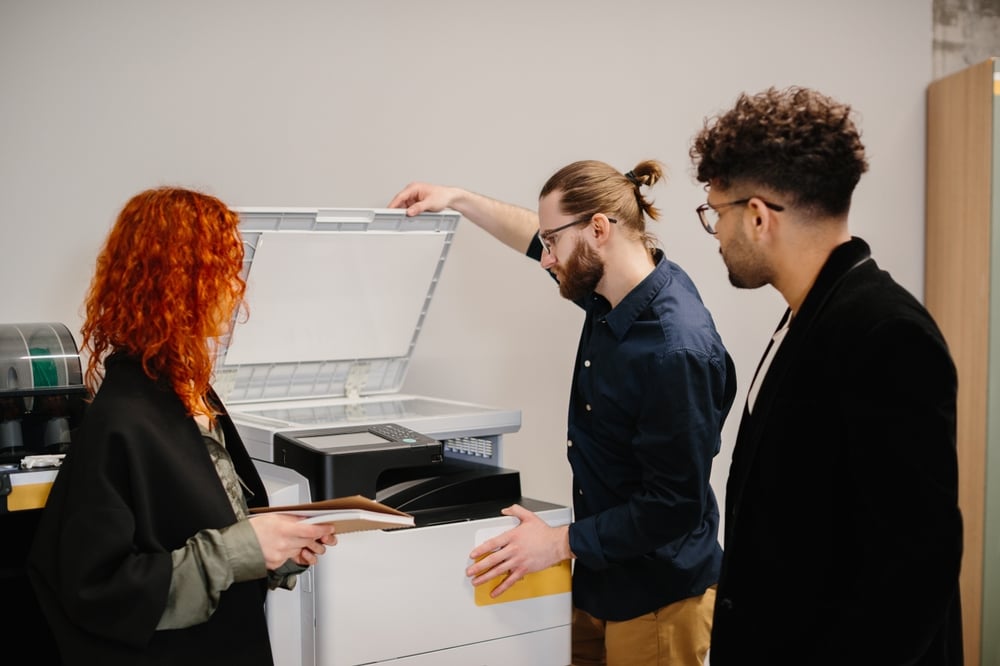
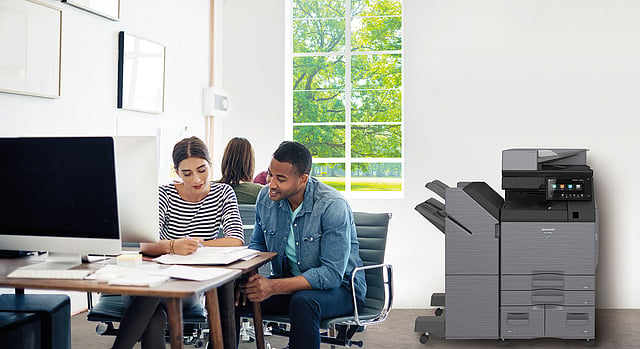
Leasing a copier has become a practical strategy for businesses looking to stay efficient without tying up capital in expensive equipment. In 2026, more companies in Houston, Texas, are turning to copier leasing as a way to keep up with evolving technology while maintaining predictable monthly costs. It removes the burden of large upfront purchases and shifts printing into a more manageable, service-based model.
The real advantage shows up in day-to-day operations. With the right lease in place, businesses gain access to modern features, built-in maintenance support, and scalable solutions that adjust as needs change. Instead of dealing with downtime, repair costs, or outdated machines, teams can focus on productivity and workflow consistency. That combination of flexibility, cost control, and operational simplicity is why copier leasing continues to replace traditional purchasing for many organizations.
Key Takeaways
- Copier leasing provides access to modern equipment without upfront purchase costs
- Monthly payments are predictable, making budgeting easier
- Maintenance and service are often included, reducing downtime and repair costs
- Lease types like FMV, Dollar Buyout, and Operating offer different financial benefits
- Leasing vs renting depends on usage length, flexibility needs, and business goals
Understanding Copier Leasing for Businesses
Copier leasing is a practical solution for businesses that want access to modern printing technology without the high upfront cost of purchasing equipment. Instead of buying a copier outright, companies pay a predictable monthly fee, allowing them to preserve capital and manage cash flow more effectively. This makes leasing especially useful for small to medium-sized businesses in Houston looking to stay flexible while scaling operations.
A copier lease is an agreement with a provider that supplies and maintains the equipment over a set term. Rather than taking on a large capital expense, businesses spread costs over time through monthly payments. Many lease agreements also include the option to upgrade equipment as technology improves, helping businesses avoid working with outdated systems.
Most copier leases include maintenance and service coverage, which helps reduce downtime and unexpected repair costs. With support built into the agreement, businesses can keep their focus on daily operations instead of equipment issues. Overall, copier leasing provides a balance of predictable costs, ongoing support, and access to up-to-date technology.
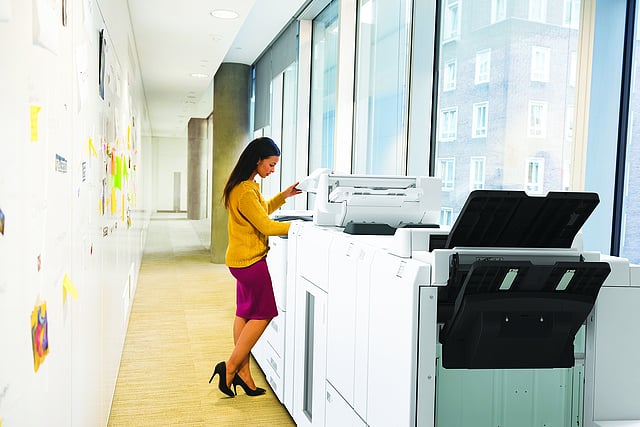
Step-by-Step Copier Leasing Process for Businesses
The copier leasing process follows a structured series of steps designed to match businesses with the right equipment and ensure a smooth setup. From evaluating needs to final installation, each stage helps align performance, cost, and long-term usability so the copier supports daily operations effectively.
1. Assess Business Printing Needs
Start by reviewing how your business uses printing and copying resources. This includes monthly print volume, color vs black-and-white usage, scanning requirements, and any advanced features needed for workflow efficiency.
2. Request and Review Leasing Proposals
Next, connect with leasing providers who can recommend copier models based on your requirements. Compare proposals carefully, focusing on monthly costs, included services, equipment capabilities, and contract terms.
3. Select Equipment and Finalize the Lease Agreement
Once the best option is identified, the lease agreement outlines pricing, responsibilities, service coverage, and contract length. Reviewing the details closely helps ensure there are no unexpected fees or limitations.
4. Delivery and Copier Installation
After the agreement is signed, the provider schedules delivery and installation. This typically includes setup, network configuration, and basic user onboarding to ensure the copier is fully operational from day one.
Essential Factors to Consider Before Leasing a Copier
Choosing a copier lease is not just about selecting equipment; it’s about ensuring the agreement supports long-term business efficiency and financial stability. Before committing, businesses should carefully evaluate contract structure, service inclusions, equipment capabilities, and future flexibility. These factors directly impact both day-to-day performance and total cost over the life of the lease.
| Factor | What to Evaluate | Why It Matters |
| Lease Term Length | Short-term vs long-term contract duration | Impacts flexibility, cost structure, and commitment level |
| Maintenance & Supplies | Whether service, repairs, and toner are included | Helps prevent unexpected expenses and downtime |
| Equipment Capabilities | Print speed, volume capacity, scanning, and features | Ensures the copier matches current and future workload demands |
| Upgrade Options | Ability to upgrade or replace equipment during lease | Reduces risk of technology becoming outdated |
| Financial Alignment | Total monthly cost and fit within budget strategy | Supports predictable budgeting and cash flow management |
Comparing Different Types of Copier Leases
Copier lease structures vary based on cost, ownership goals, and financial strategy. Some agreements are designed for businesses that want lower monthly payments and flexibility at the end of the term, while others are built for companies that prefer long-term ownership of the equipment. Understanding these differences helps businesses choose a lease model that aligns with both operational needs and budgeting priorities.
| Lease Type | Monthly Cost | End-of-Term Option | Ownership Outcome | Best For |
| Fair Market Value (FMV) Lease | Lower | Purchase at fair market value, renew, or return | Optional ownership | Businesses wanting lower payments and upgrade flexibility |
| Dollar Buyout Lease | Moderate | Purchase equipment for $1 | Full ownership | Companies planning to keep the copier long-term |
| Capital Lease | Higher | Ownership is built into the agreement | Treated as an asset on balance sheet | Businesses seeking ownership and potential tax advantages |
| Operating Lease | Lower to moderate | Return, upgrade, or renew lease | No ownership | Companies prioritizing flexibility and off-balance-sheet financing |
Copier Leasing vs Renting vs Buying: What Businesses Should Know
Choosing between leasing, renting, or buying a copier depends on how long the equipment is needed, how much flexibility is required, and how a business prefers to manage costs. Each option supports a different operational strategy, from short-term access to long-term ownership. Understanding how they compare helps businesses avoid overspending and select the most practical approach for their workflow.
Leasing a Copier
Leasing is designed for businesses that want consistent access to modern equipment without a large upfront investment. It spreads costs over time and often includes maintenance and service support, making it a stable option for ongoing office use.
- Predictable monthly payments
- Access to newer technology over time
- Maintenance and service often included
- Best for long-term, everyday business operations
Renting a Copier
Renting is best suited for short-term or temporary needs where flexibility is more important than cost efficiency over time. It allows businesses to access equipment quickly without being tied to long contracts.
- Short-term usage with flexible terms
- Higher monthly cost compared to leasing
- Minimal commitment or contract structure
- Ideal for events, projects, or temporary office needs
Buying a Copier
Buying is a long-term investment where the business owns the equipment outright. While it requires a higher upfront cost, it can be cost-effective over time for businesses with stable, predictable printing needs.
- Full ownership of the equipment
- High upfront purchase cost
- No ongoing lease payments
- Suitable for long-term, high-volume use environments
Copier Leasing FAQs
How long is a typical copier lease agreement?
Most copier lease agreements run between 24 and 60 months, depending on the equipment and the provider. Shorter terms generally offer more flexibility, while longer terms can reduce monthly costs. The right lease length usually depends on how stable your business needs are and how often you expect to upgrade equipment.
What costs are usually included in a copier lease?
A copier lease typically includes the cost of the equipment spread out over monthly payments. Many agreements also include service, maintenance, and sometimes toner or supply coverage. However, it’s important to review the contract carefully since overage charges for high print volumes may still apply.
What factors affect the monthly cost of a copier lease?
Monthly lease costs are influenced by the type of copier selected, print speed, volume capacity, and included features. Service agreements and contract length also play a role, with longer terms often lowering monthly payments. Businesses with higher printing demands or advanced functionality needs can expect higher costs.
Can a copier lease be upgraded during the contract term?
In many cases, leases allow for equipment upgrades before the contract ends, but this depends on the provider. Some agreements offer built-in upgrade options after a certain period, while others may require renegotiation. Upgrading is often used when a business’s printing needs grow or technology requirements change.
What happens if business printing needs change during the lease?
If printing needs increase or decrease significantly, businesses can usually work with their provider to adjust the agreement. This may involve modifying service terms, upgrading equipment, or restructuring the lease. Flexibility varies by contract, so it’s important to understand adjustment options before signing.
Streamlining the Copier Leasing Process for Your Business
The copier leasing process is most effective when it follows a clear structure, from assessing business printing needs and selecting the right equipment to reviewing lease terms and planning for installation and ongoing support. Each step plays a role in ensuring the copier aligns with daily workflow demands, budget expectations, and long-term operational goals. Taking a thoughtful, step-by-step approach helps businesses reduce unnecessary costs, avoid contract surprises, and maintain consistent productivity.
As a copier leasing provider in Houston, we help businesses navigate each stage of the process with guidance on equipment selection, flexible lease structures, and reliable service support. The goal is to simplify decision-making while ensuring businesses have access to dependable, high-performing print solutions.
If you’re ready to explore copier leasing options for your business, request a quote today to compare plans and find the right fit for your needs.

Kimberly Gonzalez founded Platinum Copier Solutions in 2007 after building her career in the copier and office equipment industry, which began at just 19 years old, selling Xerox copiers. Her early hands-on experience sparked a lifelong passion for document systems and office technology, ultimately inspiring her to launch her own company. As the 100 percent owner, Kimberly continues to lead Platinum Copier Solutions with a clear vision and commitment to quality.